

A mounting injury crisis in Leeds United’s midfield has intensified scrutiny over the club’s decision not to secure a move for Sheffield United’s Gustavo Hamer during the summer transfer window. With key players Ao Tanaka, Ethan Ampadu, and now Ilia Gruev sidelined, Daniel Farke’s options have diminished sharply, exposing a lack of depth that may jeopardize the team’s early Premier League stability.
Injury Woes Expose Midfield Fragility
Leeds’ encouraging start to the season—12th place after three games—has been undermined by a series of fitness setbacks. Tanaka and Ampadu both sustained MCL injuries in August, ruling them out for the foreseeable future. Gruev, who started against Newcastle in a reshaped midfield, has now been withdrawn from international duty with Bulgaria due to unspecified “problems,” leaving Farke with severely limited options ahead of the league’s resumption.
The manager’s adherence to a 4-3-3 system requires robust midfield depth, yet the departures of Josuha Guilavogui and Joe Rothwell—coupled with these new injuries—have left new signings Anton Stach and Sean Longstaff as the only fully fit senior central players.
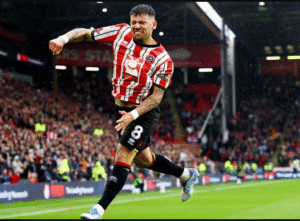
Hamer: A Missed Opportunity
Gustavo Hamer, who contributed 10 goals and eight assists for Sheffield United last season, was a long-term target for Leeds. Football Insider reported last summer that the Blades’ valuation deterred a move, but speculation persisted throughout the recent window. Despite late interest from Elland Road, no deal materialized, leaving the 27-year-old at Bramall Lane.
Hamer’s versatility, work rate, and proven Championship pedigree would have provided ideal cover for Farke’s injury-hit squad. His ability to operate as a number eight or in advanced roles would have offered tactical flexibility, particularly amid the absence of starters like Ampadu and Tanaka.
Historical Injury Patterns Amplify Risk
Ampadu and Gruev have concerning injury histories. Ampadu missed 27 games last season alone due to knee issues, while Gruev was sidelined for three months following knee surgery. Their recurrent fitness problems highlight the precariousness of relying on a small core of midfielders through a demanding Premier League campaign.
Farke’s reluctance to diversify his targets or adapt his system now appears a significant gamble. With the January window distant, Leeds must rely on academy promotions or tactical adjustments to navigate this period—a challenge that might have been mitigated by securing a player of Hamer’s reliability.
Leave a Reply