Over the last decade (2016–2025), the tight end position in college football has transformed from a blocking-focused role into a hybrid, athletic playmaker. An analysis of the last 10 Power Five tight end commitments reveals several key trends:
-
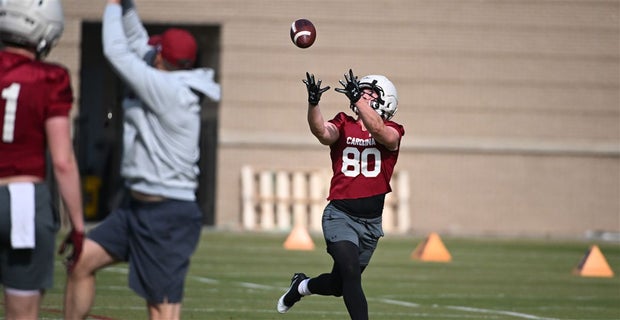
Athletic shift: Modern tight ends are faster (average 4.70 40-yard dash), often recruited for their pass-catching and separation skills, not just blocking. Only one of the ten was a blocking-first recruit.
-
Basketball background: Several recent commits played varsity basketball, bringing footwork and contested-catch ability to the position.
-
Early playing time: Unlike a decade ago, most of these tight ends played as true freshmen, as spread offenses need versatile mismatches.
-
Transfers are common: Four of the ten transferred during their college careers, highlighting the difficulty of finding the right schematic fit.
-
Recruiting evolution: Programs now seek “positionless” athletes who can line up anywhere. The traditional blocking tight end is largely extinct.
Bottom line: The last 10 tight end commitments didn’t just fill roster spots—they fundamentally rewrote the job description for the position.
Leave a Reply