The Detroit Pistons made a move up in the first-round order, jumping from No. 21 to No. 16 in order to select Eubuka Okorie, a guard who brings dynamic driving ability, scoring chops, and playmaking skills to the table. Since the conclusion of the first round, word has spread that several selections near the top of the second round are being made available to any teams willing to part with future assets in exchange. Detroit could very well choose to hold firm. As of now, they don’t own a second-round pick. Still, given the remaining gaps on the roster, the likelihood of player-for-player trades in the works, and the overall strength of this draft class, it’s worth considering which prospects could make sense if the Pistons managed to acquire a pick in the early portion of the second round. Below are five names that could catch Detroit’s attention.
Meleek Thomas, guard, Arkansas

Should the Pistons decide to lean into a high-volume approach, Meleek Thomas could be a target worth pursuing. The 6-foot-4 Arkansas guard is a versatile scorer who possesses a quick first step, reminiscent of Okorie in that regard. Where he separates himself is with added size and a more dependable stroke from beyond the arc. His shooting isn’t confined to spot-up situations either; he brings a degree of flexibility in how he generates and converts his own looks. Thomas had enough buzz to earn a green-room invitation for night one, but his name never got called. Detroit has shown a clear affinity for players who carry a grudge and feel they’ve been undervalued. While Thomas shared backcourt duties with Darius Acuff Jr. who went in the top seven Thomas is still waiting for his moment.
Henri Veesaar, big man, North Carolina
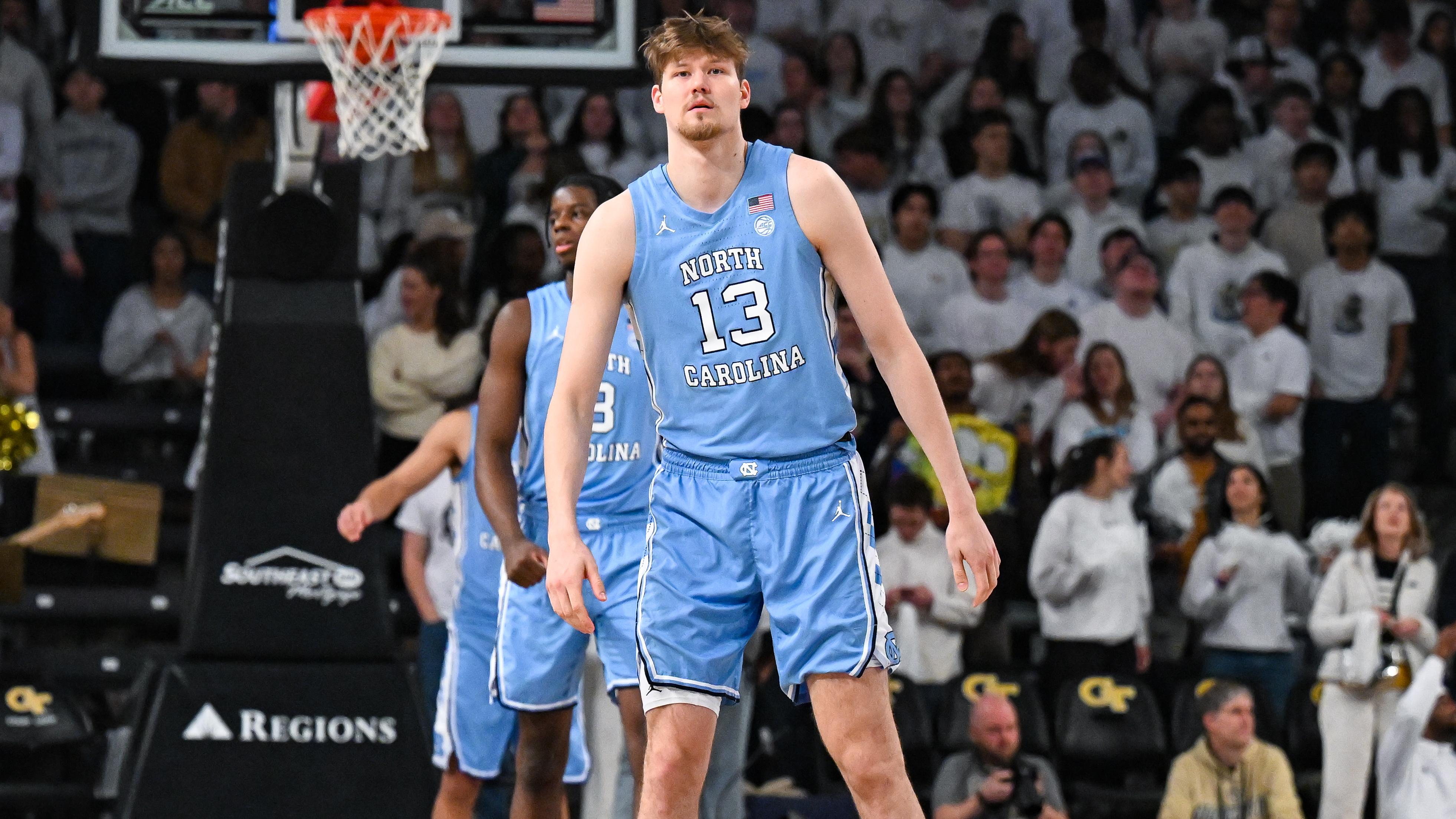
I may be putting too much stock into rumors that haven’t been fully verified, but at this point, I tend to believe where there’s smoke, there’s fire, and I’m starting to think the team could move on from Isaiah Stewart as part of a trade aimed at upgrading the perimeter shooting and ball-handling. That logic holds up. Jalen Duren is poised to receive a substantial payday soon, and Paul Reed offers enough stability as a backup center. Still, Detroit could benefit from additional length and offensive production around the rim. Enter Veesaar. The 7-footer has a real chance to develop into a big man who spaces the floor, and his wingspan gives him an advantage over both Reed and Stewart in that department. His touch and footwork are solid enough to apply some pressure at the basket when defenses lose track of him, and he’s far from a one-trick novelty. He also keeps the ball moving, showing an ability to survey the floor and distribute effectively from both the low block and the high post. Defensively, however, he has clear limitations, including subpar footwork. Don’t look for him to hold up on switches out to the perimeter or to anchor the paint with authority.
Isaiah Evans, wing, Duke
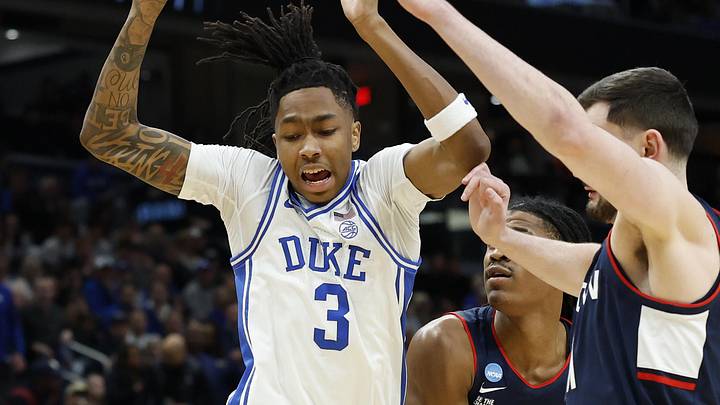
The Pistons could use some size on the wing, and Isaiah Evans brings a legitimate 6-foot-6 frame with a 7-foot wingspan to throw at opponents on the perimeter. He shoots with confidence and gets his shot off quickly, offering a brand of floor spacing that still raises question marks for Okorie. Beyond just knocking down open looks, Evans is comfortable taking difficult attempts, whether coming off screens or with defenders closing out hard. He’d also be easier to work into rotation minutes when scoring is needed, given his height and length compared to players like Marcus Sasser or Chaz Lanier. Expect Evans to come off the board within the opening handful of picks in the second round.
Richie Saunders, wing, BYU

If the goal is to add more three-point shooting, it’s hard to find a more polished and repeatable stroke than Saunders’. He gets the ball off his hand quickly and releases it high, and those dependable mechanics translate to spot-up looks from the corners, shots above the break, movement-based attempts, and hand-off actions. He’s a true professional from deep, and if he carves out a long-term NBA role, it’ll be on the strength of his efficient, high-volume outside shooting. That said, there aren’t many surprises with his game. He lacks eye-popping athletic tools, and at 25 years old, he’s already older than Cade Cunningham and every other member of Detroit’s young core. He’d be entering veteran territory before even reaching his second contract.
Trevon Brazile, big man, Arkansas
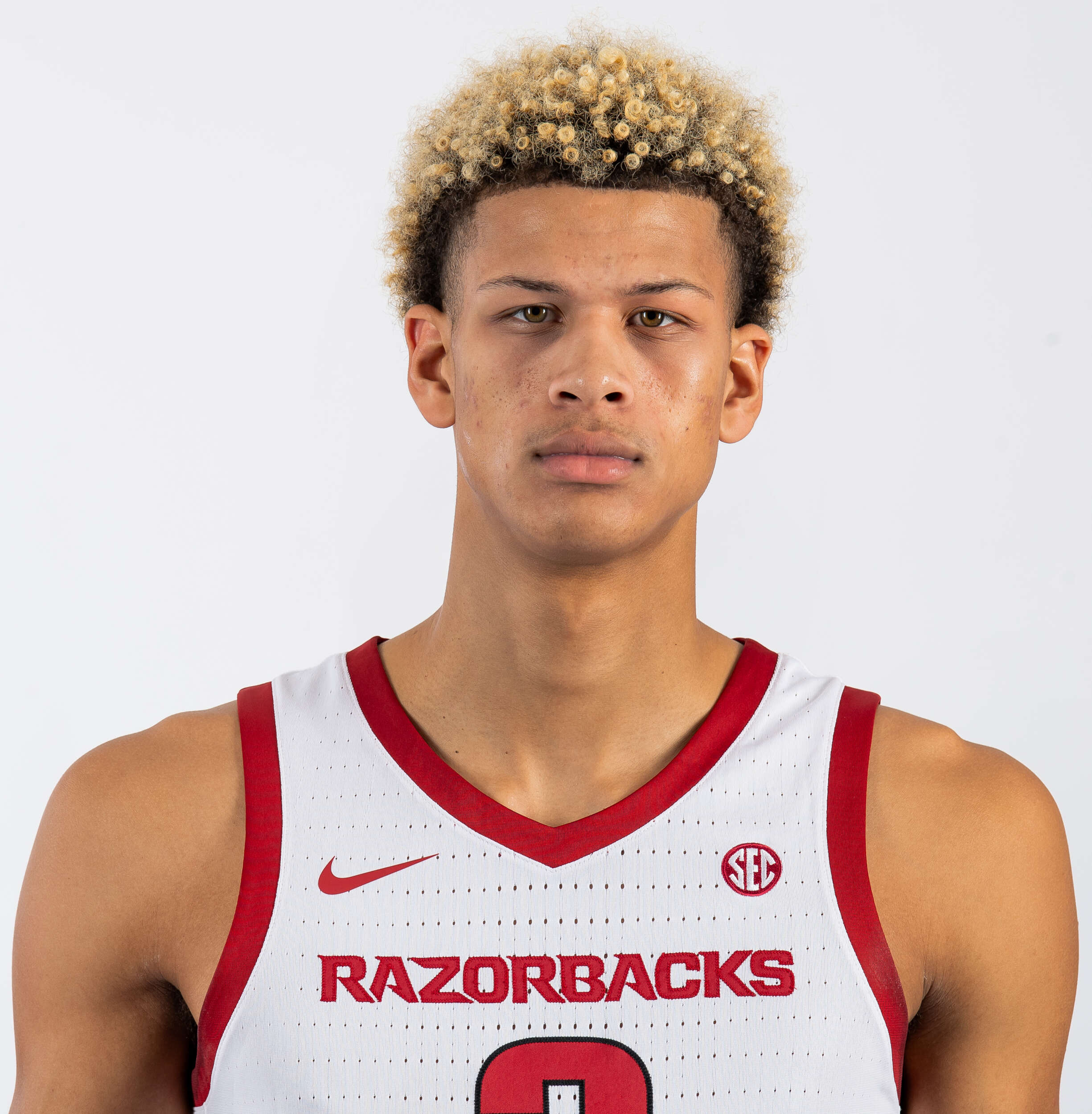
At 6-foot-10 with elite athleticism, Brazile has the power to finish emphatically around the rim and the range to connect from deep. Sounds like a dream fit, right? Perhaps, but there’s a reason the Arkansas big man is still available as the second round approaches. The talent is undeniable, but I’m not convinced he plays with the necessary competitive fire and we all know Detroit prides itself on toughness and intensity. Maybe being surrounded by this particular group would help unlock Brazile’s considerable potential. He draws comparisons to John Collins in some respects, but he also shares some of the same concerns that have limited Collins’ impact. Brazile isn’t a dominant rebounder, nor is he consistently dialed in mentally. If he adds strength, he could become a legitimate center; until then, he’s caught in a tweener role with some drawbacks at the four. He tends to let the game unfold around him rather than imposing himself and in this case, that’s not a compliment. He can be too passive and doesn’t consistently assert his presence. Still, it’s worth imagining what a few months alongside Ron Holland, Ausar Thompson, and Cade Cunningham might draw out of him.
Leave a Reply