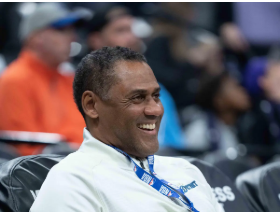
The Detroit Pistons emerged from the Troy Weaver era without a single additional draft asset to show for it, despite spending the bulk of his tenure as the league’s worst team.
That shortcoming stems from Weaver’s habit of holding onto his most desirable trade pieces well past their peak value a pattern he appears to be duplicating in his current role as general manager of the New Orleans Pelicans.
Take Trey Murphy III, for instance. In the lead-up to the draft, trade chatter around him reached a fever pitch, with many expecting him to be dealt, especially after New Orleans signaled a strong desire to secure a spot in the 2026 Draft.
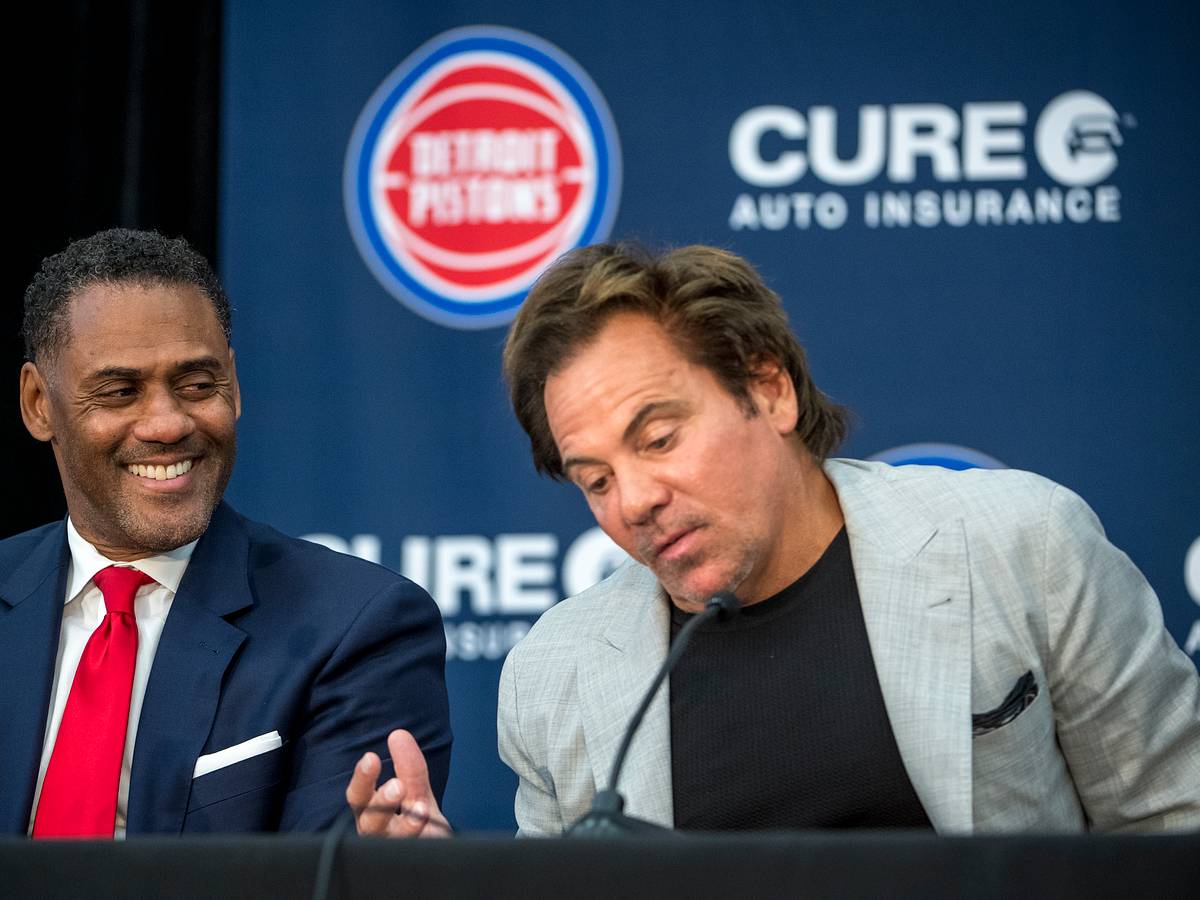
Yet no transaction materialized, in part because the Pelicans’ asking price is reportedly exorbitant. Murphy is undoubtedly a strong player, but opposing front offices understandably hesitate to part with their top young prospects and premium picks for him.
Weaver has likely already let his optimal window to capitalize on Murphy’s value slip by, leaving the Pelicans in the same kind of competitive no-man’s-land that plagued his Pistons tenure stuck with assets that are gradually losing their luster.
Detroit fans know this script intimately.
To his credit, Weaver demonstrated a sharp eye for talent in the draft, and he deserves recognition for bringing in most of the key pieces now anchoring the Pistons’ roster, including franchise cornerstone Cade Cunningham.
Beyond that, however, his performance was consistently deficient so much so that it occasionally made me question whether he was secretly angling to benefit the Knicks rather than his own employer.
Among his numerous missteps, perhaps the most damaging was his tendency to attach inflated price tags to his players and then wait too long, watching their trade value erode as the market moved on.
He followed this exact playbook with Jerami Grant, Bojan Bogdanovic, and to a lesser extent, Alec Burks. Each of those players commanded significantly more interest and would have yielded better returns before Weaver finally pulled the trigger. In Bogdanovic’s and Burks’s cases, he essentially wound up shipping them out for next to nothing.
He kept holding out for a desperate suitor willing to meet his demands, but that suitor never arrived. A similar scenario could be unfolding now with Trey Murphy III and Herb Jones. Reports indicate Weaver is seeking two first-round picks for Jones a defensive-minded player who is already 27—a price that seems likely to scare off any potential buyers.
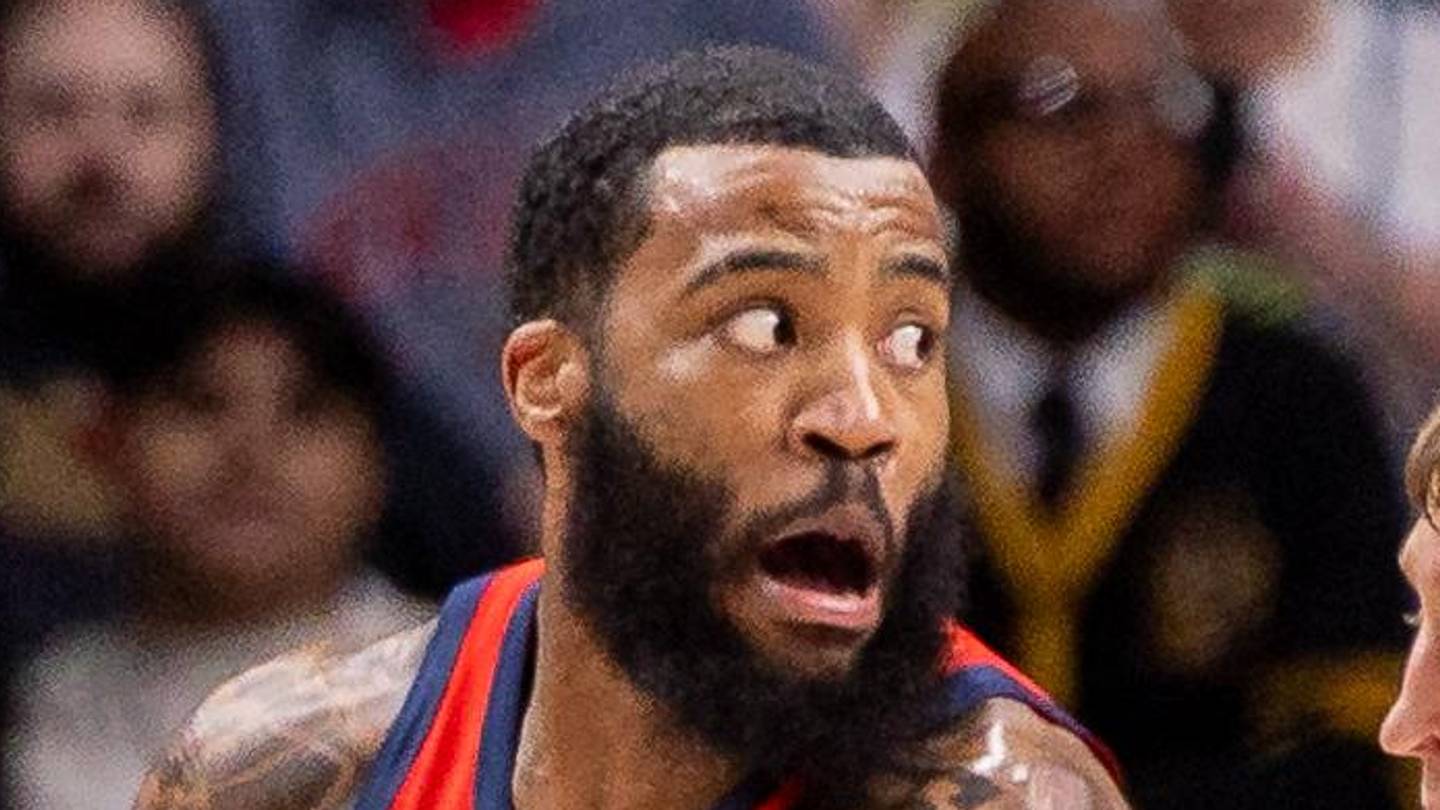
Perhaps Weaver’s plan is to retain both players and push for competitiveness next season, but that outcome appears improbable. Instead, he’s left his current roster in the exact same state he so often left Detroit: stranded in competitive purgatory, neither genuinely contending nor fully committed to rebuilding through the lottery.
It remains possible that some team will eventually meet Weaver’s steep demands for Murphy, but if that doesn’t happen, questions about his asset management so familiar from his Pistons days will inevitably resurface.
Leave a Reply