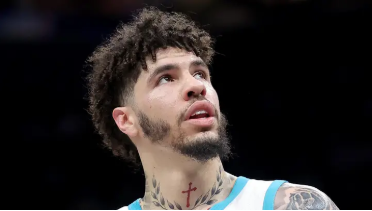
The Detroit Pistons cleared salary cap space by moving Isaiah Stewart, and speculation has been swirling about their pursuit of a high-impact player. Just as that chatter intensified, LaMelo Ball was dealt to the Minnesota Timberwolves in a move that caught many off guard.
Ball consistently divides opinion across the league, and while there was some noise from the fanbase, I personally feel relief that he won’t be suiting up for Detroit. I genuinely enjoy watching his game, but his style and demeanor aren’t something I’d want attached to my squad though I fully recognize that perspective isn’t universally shared.
What stands out most about this trade, however, is the relatively modest return Minnesota parted with to acquire him. That package could end up reshaping expectations for how much teams need to give up for star-caliber talent, which bodes well for the Pistons’ future negotiations.
The Timberwolves surrendered Naz Reid, a single first-round pick, three swap rights, and a collection of second-rounders. That’s not a steep price, regardless of how one feels about Ball as a player. He’s a former All-Star who delivers statistically, drives ticket sales, and moves merchandise at a level rivaled by few others in the league.
If that’s the benchmark for landing a player of Ball’s profile, then hopefully Troy Weaver recalibrates his expectations. It would be unrealistic to keep holding out for four first-rounders for someone like Trey Murphy III or two for Herb Jones, no matter how valuable they are in their roles.
The new lottery odds may also cause front offices to place added weight on future swap opportunities, given how certain draft positions have grown more appealing.
Detroit might already be shifting focus away from New Orleans, especially since Weaver has a track record of overvaluing his own assets only to see their trade value decline over time. Still, this deal could serve as a useful reference point for any fringe All-Star discussions going forward.
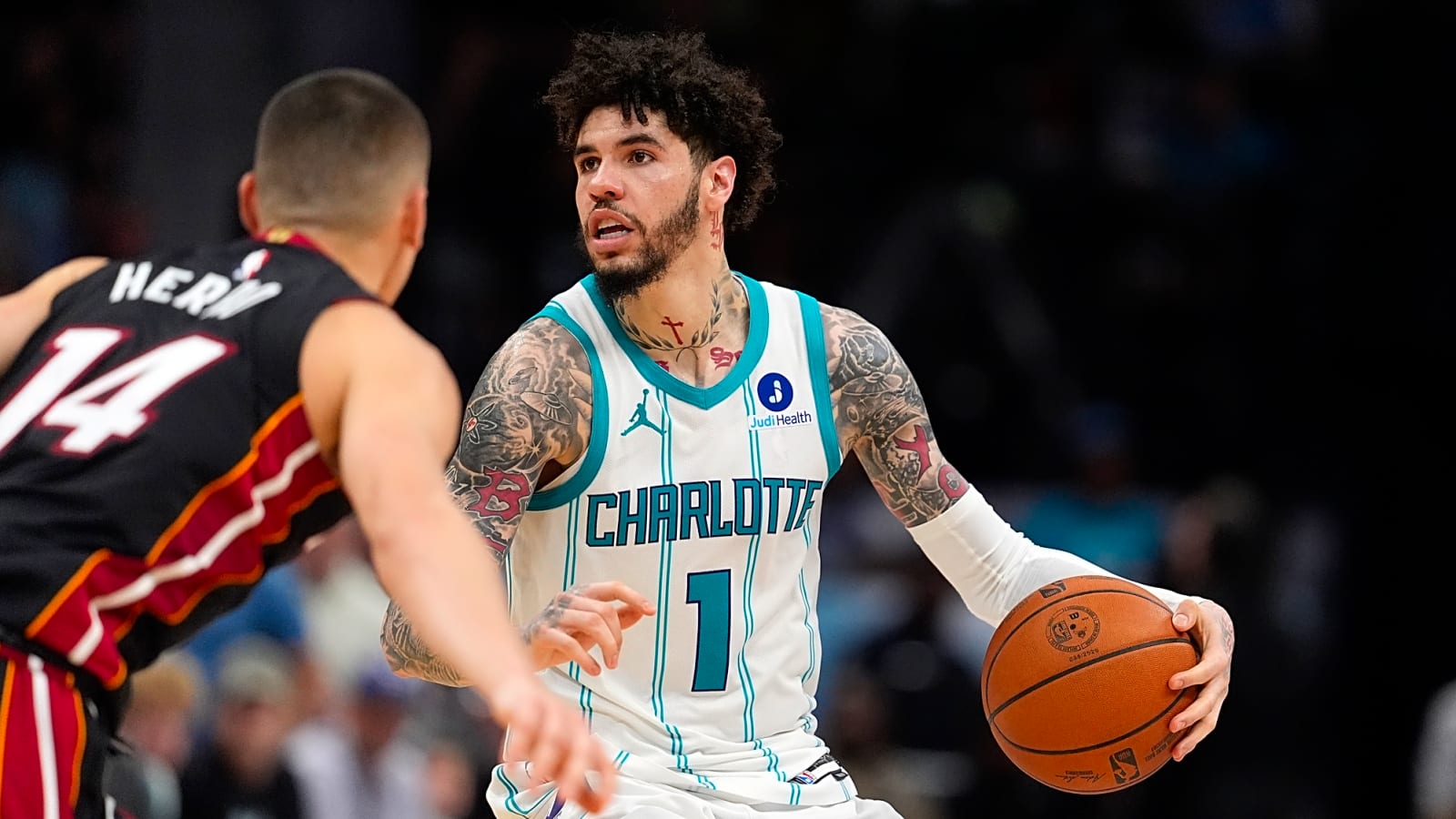
If that’s the going rate for Ball, what does that mean for someone like Tyler Herro? It gives the Pistons a concrete starting point in trade talks, and they’d be wise to reference it whenever another team tries to inflate the asking price.
Whether this ultimately alters Detroit’s approach remains to be seen, but I was genuinely taken aback by how little it cost to bring Ball in.
Another team just took itself out of the running for future upgrades too. Much like Detroit with Cade Cunningham, Minnesota faced mounting pressure to surround Anthony Edwards with more talent, and they’ve now done exactly that. That likely removes them from the mix for any other significant names that become available.
That development works in Detroit’s favor, especially since the Timberwolves had been operating under even heavier scrutiny than the Pistons, following multiple postseason letdowns in recent years.
Though the Pistons weren’t directly involved in the Ball deal, they could still benefit indirectly both from a reset trade market and from having one less rival in the hunt for difference-makers.
Leave a Reply