
When the Detroit Pistons dealt Isaiah Stewart to the Memphis Grizzlies earlier in the offseason, plenty of supporters were caught off guard by the organization parting ways with one of its most veteran members in exchange for future draft selections.
Now, a fresh report from Hunter Patterson at The Athletic sheds more light on the reasoning behind Detroit’s tough call.
Although Stewart’s diminished minutes and some tense playoff moments were contributing elements, Patterson indicates that the primary motivation was far more straightforward: finances.
Financial Maneuverability Was the Chief Concern
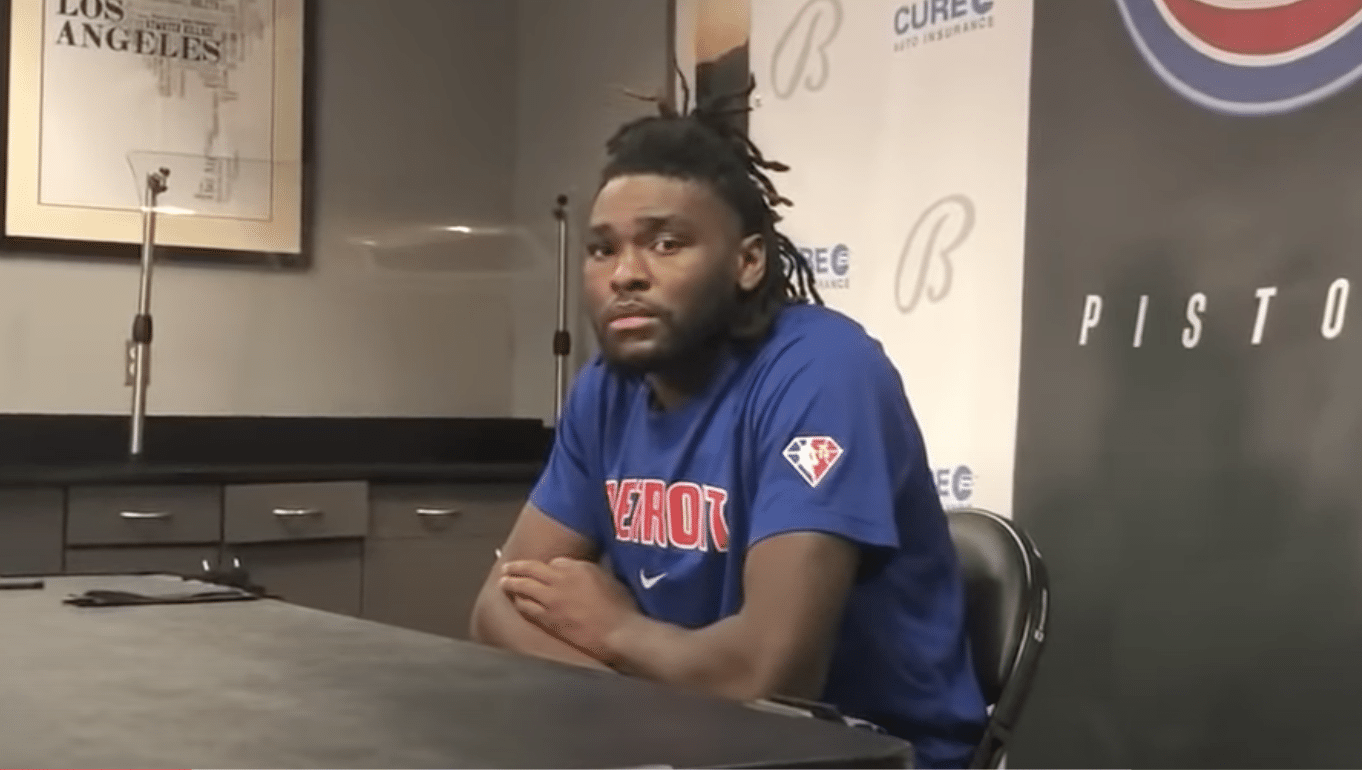
As per The Athletic, the Pistons’ choice to trade Stewart centered largely on salary-cap strategy.
Stewart was due to make $15 million in the 2026–27 campaign. By offloading his contract and bringing in Paul Reed at a $5.6 million price tag, Detroit opened up substantially more budgetary leeway.
The timing holds extra weight, given that the Pistons are actively negotiating a new deal with restricted free agent Jalen Duren.
Depending on how Duren’s eventual extension is structured, Detroit could have found itself paying somewhere between $50 million and $60 million per year for its center position alone. When you factor in Cade Cunningham’s $50.1 million salary for next season, the Pistons were looking at committing a massive chunk of their overall payroll to just two roles.
From a team-construction viewpoint, Detroit’s front office concluded that such an approach wasn’t viable over the long haul.
Stewart’s Playing Time Kept Declining
The financial element might have been the foremost driver, but it wasn’t the sole consideration.
Stewart’s postseason minutes continued to dwindle, as he averaged only 11.8 per game—the lowest workload across any stretch of his NBA tenure.
As his time on the court shrank, frustration occasionally came to the surface.
According to Patterson, Stewart engaged in a verbal exchange with head coach J.B. Bickerstaff near halftime of Game 3 in Detroit’s opening-round playoff series, though the two quickly patched things up.
A more intense episode reportedly unfolded during Game 7 against the Cleveland Cavaliers.
After being taken out of the game, Stewart was slow to acknowledge Bickerstaff. Assistant coach Luke Walton tried to step in, but Stewart waved him off as well. The matter escalated when assistant coach Jarrett Jack had words with Stewart, ultimately requiring other players to intercede before the disagreement intensified.
Pistons Wanted to Do Right by Stewart
In spite of those tense episodes, Patterson makes clear that there was no lingering animosity between Stewart and the franchise.
League sources indicated that Detroit continued to hold Stewart in high regard and appreciated all he had given over his six seasons with the team.
Rather than merely cutting ties, the Pistons reportedly aimed to place Stewart in a setting where he’d have a stronger chance at earning consistent playing time. The same reasoning reportedly applied to Marcus Sasser, who was also moved this offseason.
Additionally, the transaction generated a $15 million traded-player exception, giving President of Basketball Operations Trajan Langdon another useful asset as he proceeds with his roster overhaul.
The Takeaway
Isaiah Stewart’s exit wasn’t prompted by a single playoff flare-up or one lackluster year.
According to The Athletic, the Pistons simply arrived at a juncture where the financial realities of constructing a team around Cade Cunningham and securing Jalen Duren’s extension made Stewart’s contract dispensable. Even though Detroit regretted parting with one of its emotional cornerstones, the decision underscores a front office prioritizing long-term roster agility as it works toward building a sustainable championship hopeful.
Leave a Reply